
Why Remote Collars Deserve A Second Look
Let’s talk about remote collars for a minute — yep, those collars. They get a bad rap online, don’t they? You’ll see all kinds of posts claiming they’re cruel or outdated, and then others insisting they’re the best thing ever invented. It’s confusing.
So, what’s the truth?
Here’s how I see it: every dog is different, and every owner is different. That means training plans — and sometimes training tools — should be, too.

What Remote Collars Actually Do
When used correctly, a remote collar isn’t about punishment. It’s about communication. Think of it like a way to gently “tap your dog on the shoulder” from a distance when you need their attention.
For example, picture a petite woman with a very large dog. She might have great technique, perfect timing, and all the patience in the world — but physics still matters! A remote collar can give her an extra way to communicate clearly and safely, even when a leash alone might not be enough.
A good trainer (like anyone on The Cordial Canine team!) always starts with positive reinforcement — teaching the dog what we want them to do, rewarding success, and building understanding before ever layering in tools. Once the dog understands a behavior, we can use the remote collar along with leash guidance to help them connect the dots. Done right, this keeps things clear, consistent, and amicable.
Why All the Controversy?
A lot of the negative opinions about remote collars come from two things: misuse and bad equipment.
Here’s what often happens: someone’s frustrated by a behavior — maybe their dog won’t come when called or keeps jumping the fence — so they buy the first collar they find online, slap it on, press a button, and hope it magically fixes the problem.
Unfortunately, many of the cheaper collars out there are way too strong or have poor timing between pressing the button and the stimulation reaching the dog. That creates confusion or fear, not learning. The dog reacts poorly, the owner feels awful, and the collar gets shoved in a drawer forever.
That’s not fair to the dog or the tool.
Having the Right Tool Doesn’t Make You a Mechanic

Here’s the thing — anyone can go online and buy professional-grade tools. You can buy the same wrenches, diagnostic computers, and lifts your local mechanic uses. But that doesn’t mean you’ll suddenly know how to fix your car.
It’s the same with remote collars. The tool itself doesn’t create results — the knowledge behind how to use it does.
A professional trainer understands timing, pressure, and reinforcement. They know how to teach the dog what the collar means before using it to guide behavior. Without that understanding, a remote collar is just a button and a guess. With the right knowledge, it becomes a way to have a calm, clear, two-way conversation with your dog.
Doing It the Right Way
If you’re curious about using a remote collar, our biggest piece of advice is: don’t do it alone. Work with a trainer who knows how to introduce it the right way — one who uses positive reinforcement and treats the collar as a communication tool, not a correction tool.
When it’s introduced thoughtfully, the dog learns to trust that sensation and understands how to respond calmly. That’s what keeps training humane, fair, and effective.
Used properly, remote collars can be incredibly gentle and precise. They can help bridge the gap between dog and human, especially in situations where off-leash reliability or safety is important.
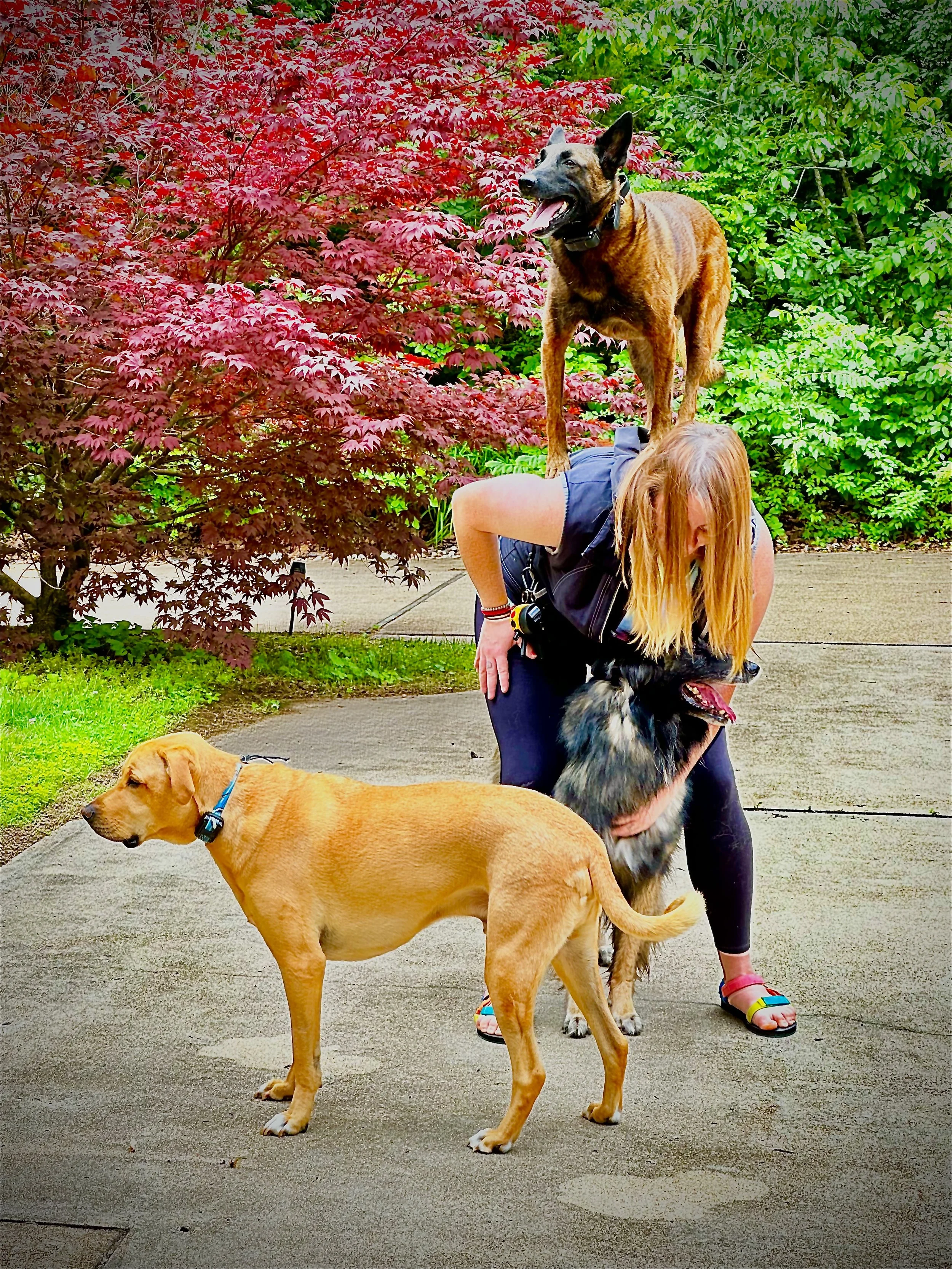
The Bottom Line
Remote collars aren’t for every dog or every person — and that’s okay. But when used with understanding, timing, and care, they can absolutely be part of a happy, humane, force-free training plan.
At The Cordial Canine, we believe in meeting dogs and owners where they are — using the right tools, the right techniques, and a whole lot of heart. Because at the end of the day, it’s not just about tools. It’s about helping people and their dogs understand each other, so everyone can live together more peacefully and joyfully.
Ready to Learn More?
If you’ve been curious about remote collars or just want to learn how to communicate more clearly with your dog, we’d love to help. At The Cordial Canine, we focus on happy dogs, happy homes, and confident owners — no matter what tools we use along the way.
👉 Reach out today to schedule a consultation, and let’s find the right approach for you and your dog — one built on trust, understanding, and kindness.
