
Dogs and Kids: Safety, Structure, and Setting Everyone Up for Success
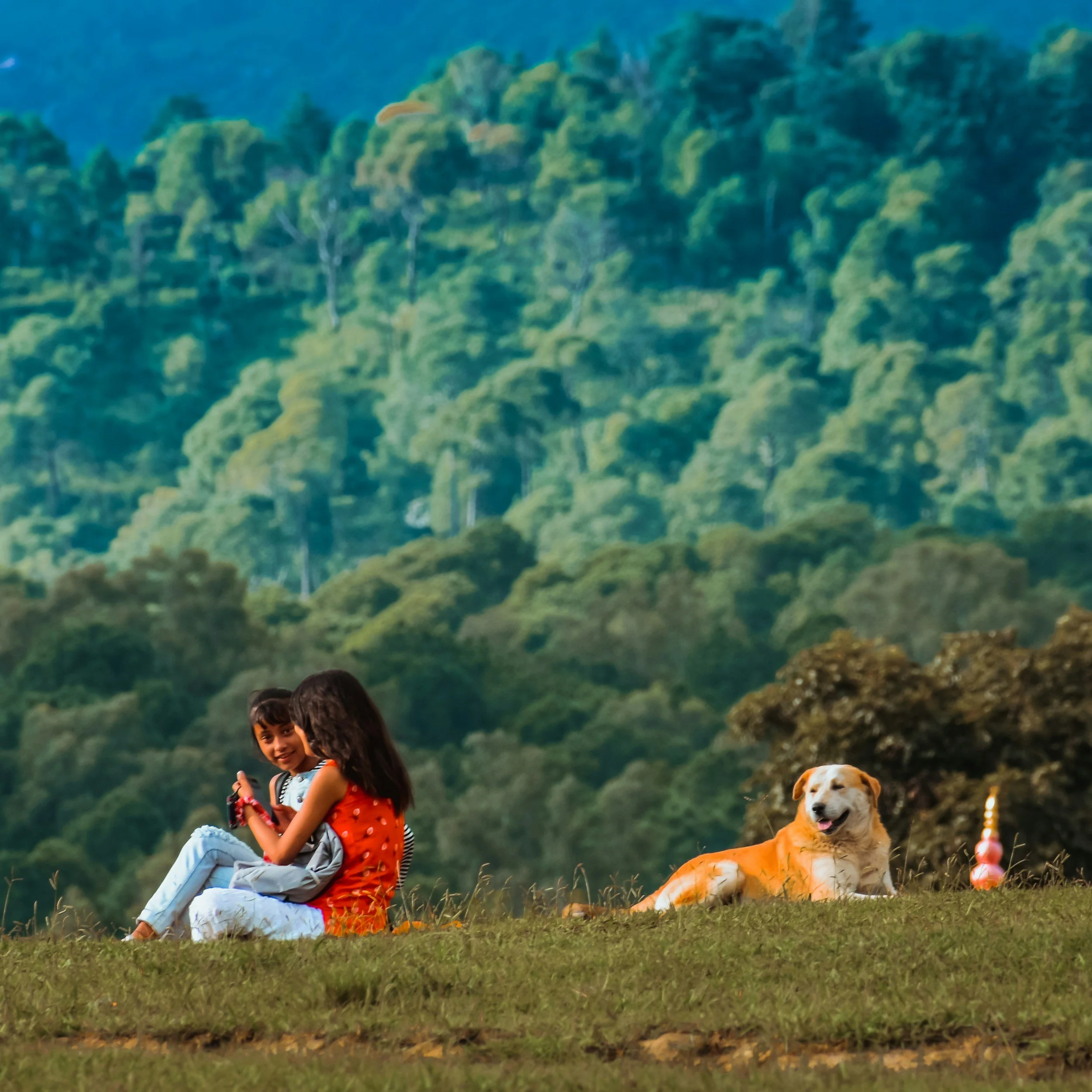
The bond between dogs and children can be beautiful — but it should never be assumed or rushed. Safe relationships between dogs and kids are built intentionally, through training, management, and structure long before a baby ever comes home.
At Cordial Canine, we prioritize safety first. That means being honest about risks, realistic about children’s abilities, and proactive about setting dogs up for success — not failure.
Training and Planning Before the Baby Comes Home
One of the biggest mistakes families make is waiting until after a baby arrives to address behavior concerns. Dogs thrive on predictability, and a newborn brings sudden changes in routine, noise, movement, and attention.
Before a baby comes home, dogs should already have:
A strong place/settle behavior
Comfort being separated using gates or pens
Exposure to baby-related sounds and equipment
Practice remaining calm around movement and unpredictability
A clear “move away” or disengagement cue
Training ahead of time reduces stress and helps dogs understand what to do when life changes — instead of reacting in confusion or frustration.
Management Is Not Optional — It’s Essential
Even well-trained dogs need management around children. Management isn’t a sign of failure; it’s a sign of responsible ownership.
Effective management includes:
Baby gates and physical barriers
Leashes indoors when needed
Designated dog-only safe spaces
Predictable routines and rest periods
Clear rules about when interaction is allowed — and when it is not
Dogs and children should never be left alone together, and supervision must be active — not passive. Being “right there” does not prevent a bite. Dog bites happen in the blink of an eye, even when parents are standing nearby.
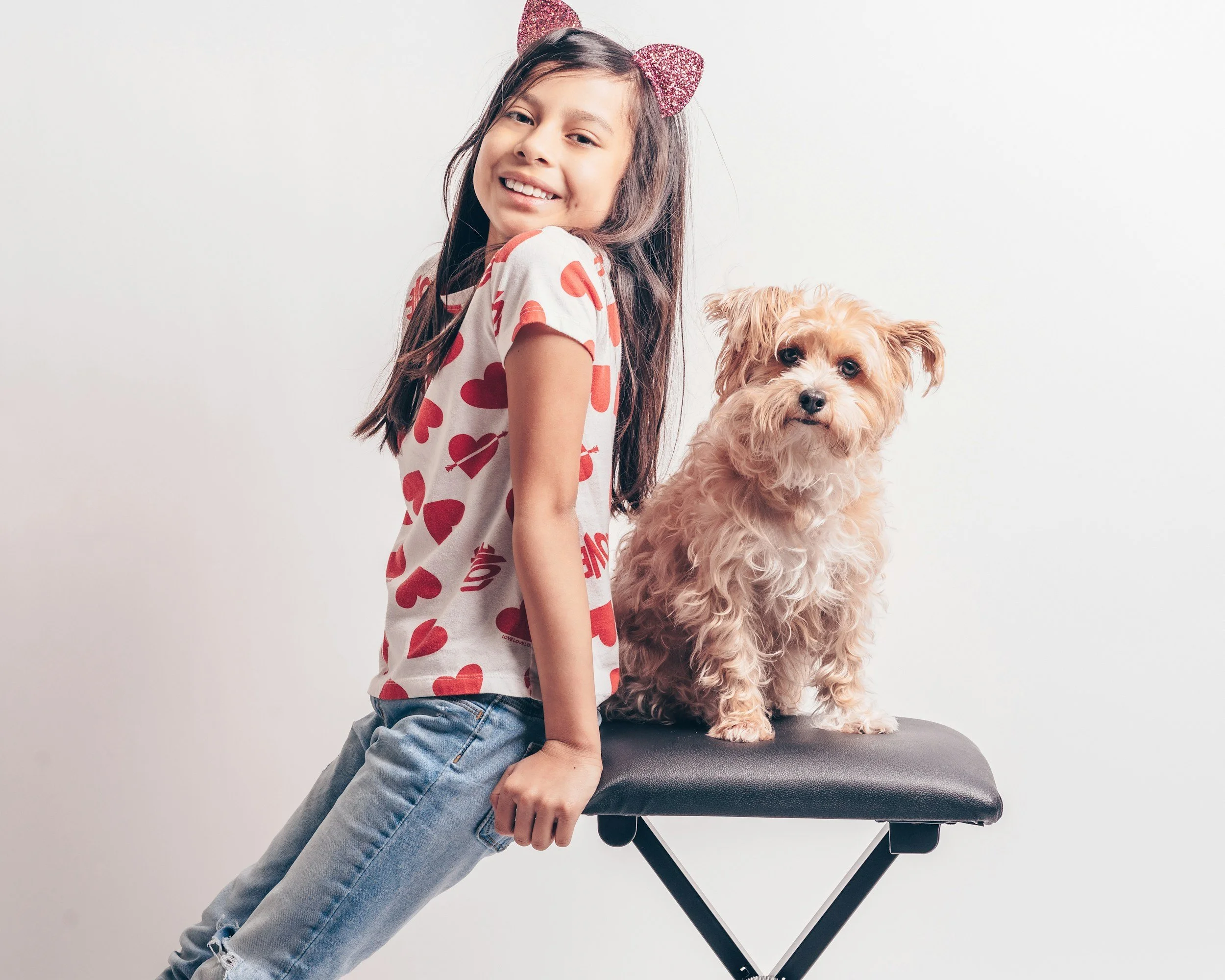
Infants and Young Children Should NOT Interact With Dogs
This part is critical and often misunderstood.
Infants and children too young to understand:
Calm, neutral behavior
Respecting space
Reading body language
Following adult direction
Should not interact with dogs at all.
No petting.
No hugging.
No crawling toward the dog.
No “they’re best friends” moments.
This is not about denying connection — it’s about preventing trauma for both the child and the dog.
If a child cannot behave calmly and respectfully, or if adults cannot fully manage the dog or the child, interaction should not occur.
Calm and Neutral Is the Goal — Not Excitement
Dogs that struggle most around children are often dogs who are overstimulated, anxious, or overly aroused. Chaos creates pressure, and pressure creates reactions.
Dogs should be trained to:
Remain neutral around movement and noise
Disengage and move away when uncomfortable
Relax while children are present without being involved
Understand that children predict calm, not interaction
A calm dog is a safer dog — especially in a family environment.
Why Bites Happen (And How to Prevent Them)
Most bites involving children are not caused by “aggressive” dogs. They happen because:
The dog was uncomfortable
The child didn’t understand boundaries
Adults relied on supervision instead of structure
There was no escape option for the dog
Allowing interaction without training for neutrality, without a reliable move-away cue, and with a child who lacks the maturity to interact safely will inevitably lead to a bite.
Prevention comes from structure — not hope.
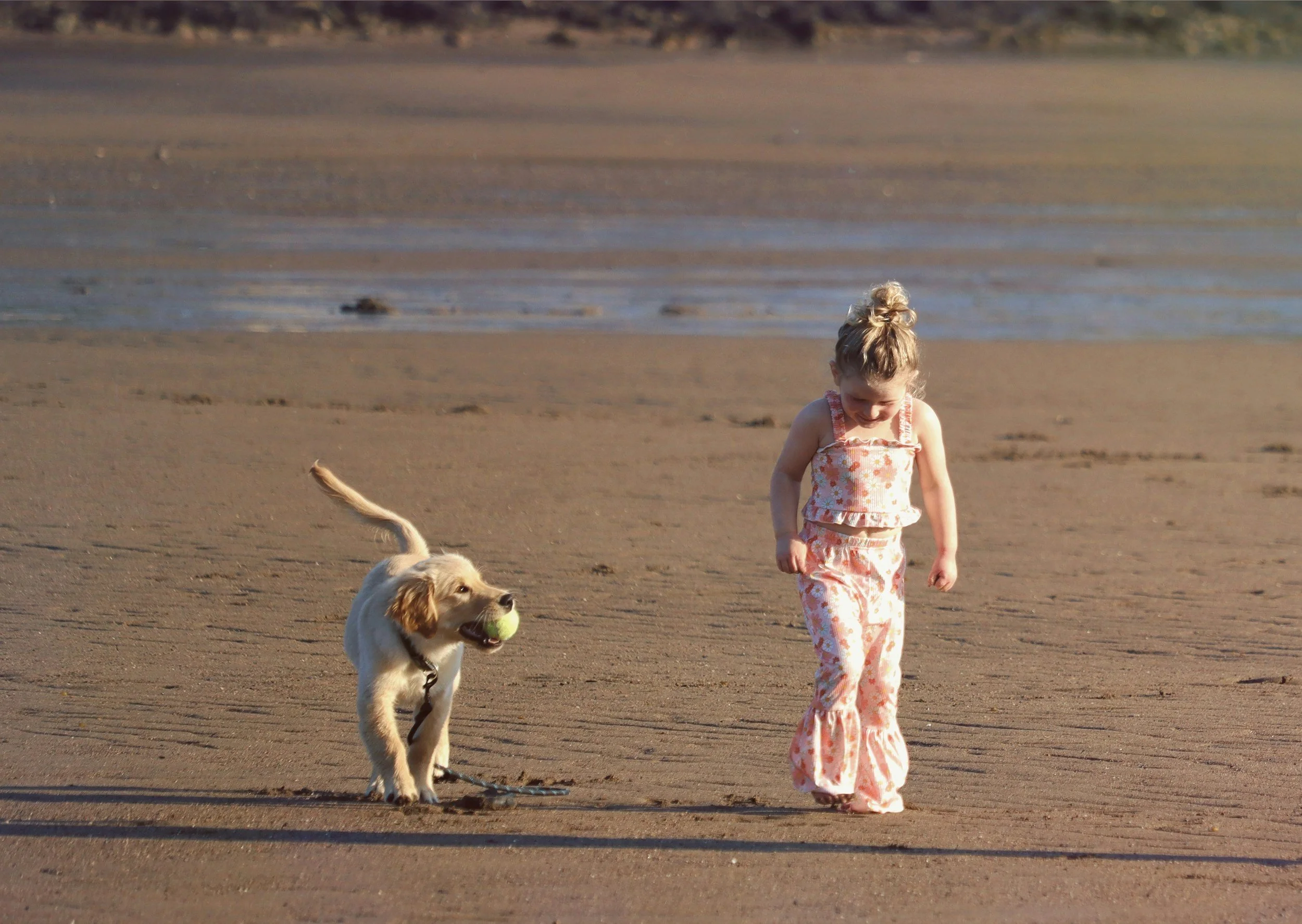
Setting Families Up for Long-Term Success
Safe dog-and-kid relationships are built through:
Early training
Clear management plans
Respect for developmental stages
Advocating for the dog’s boundaries
Prioritizing safety over sentiment
At Cordial Canine, we help families prepare dogs for real life — including life with babies and children — so that everyone can coexist safely, calmly, and confidently.
Because protecting children and dogs isn’t about fear.
It’s about responsibility.
